
Aggregator visibility, rented monthly
Placement inside a delivery app reaches people already ordering, at a commission that continues for as long as the listing does. It builds the aggregator's habit, not the restaurant's.

Most covers walk in from nearby — the offices at lunch, the apartments at dinner, the traffic that passes twice a day. That is a small, specific catchment, and it is the one thing city-wide advertising cannot buy.
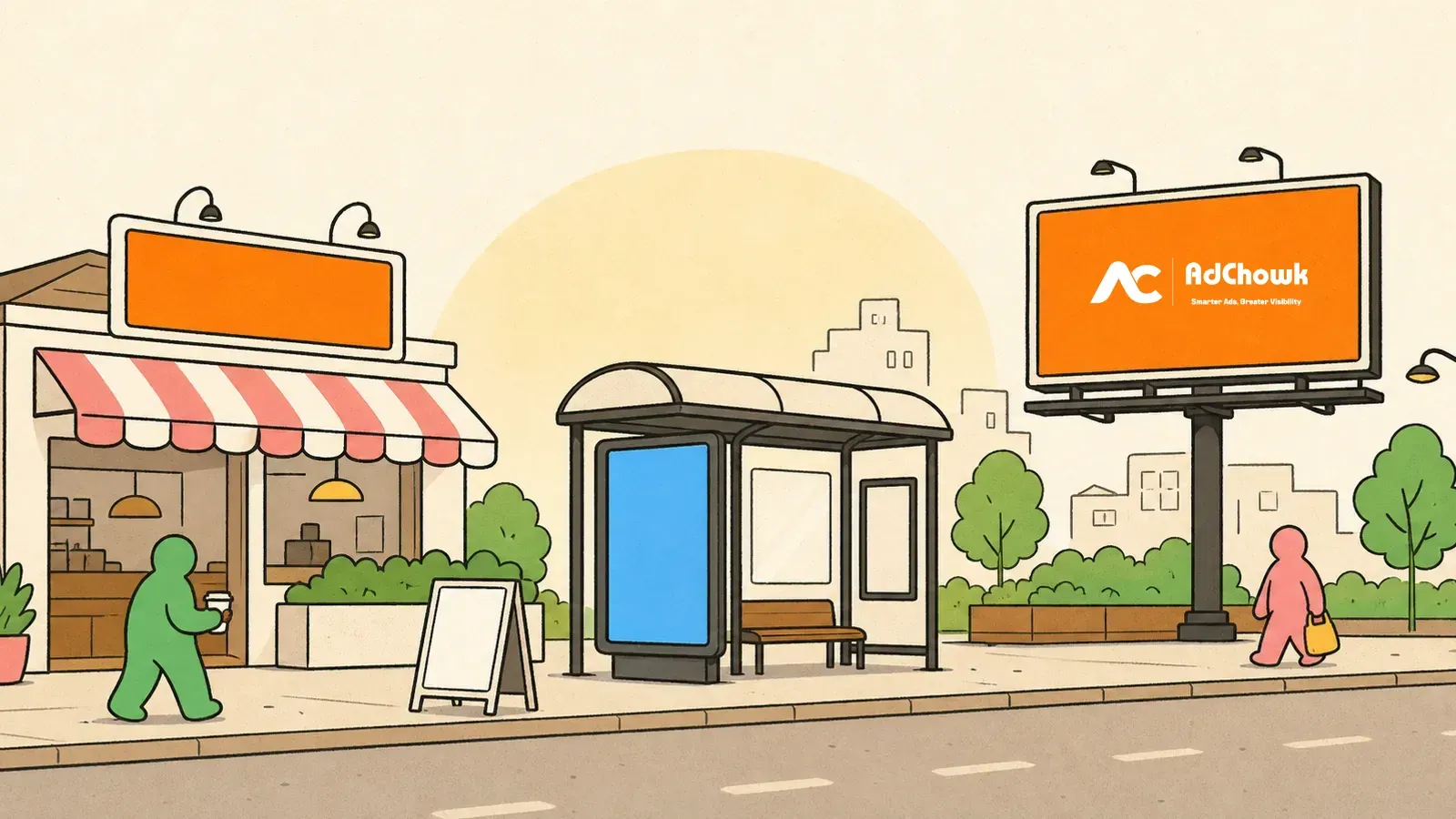
Nothing here is unusual or careless — it is how the category has been sold for years. It is worth setting out plainly, because most of the cost is structural rather than anyone’s mistake.
Placement inside a delivery app reaches people already ordering, at a commission that continues for as long as the listing does. It builds the aggregator's habit, not the restaurant's.
Cheap per piece and genuinely local, but distribution is rarely verified. Nobody can say which societies were actually covered, so the same streets get hit twice and others never.
Usually the nearest available site rather than the one on the approach people actually arrive from — bought because it was free, not because it was right.
Spend concentrates in opening week, when the catchment has not yet formed a habit, and stops before the repeat visit it was supposed to earn.
We publish no rate card, and no “average campaign cost” — the same site is priced differently in season, and a number invented for a brochure would be worth less than the quote you can get for your own dates.
Same budget, both times. The only difference is where it is put — and that is the whole product.
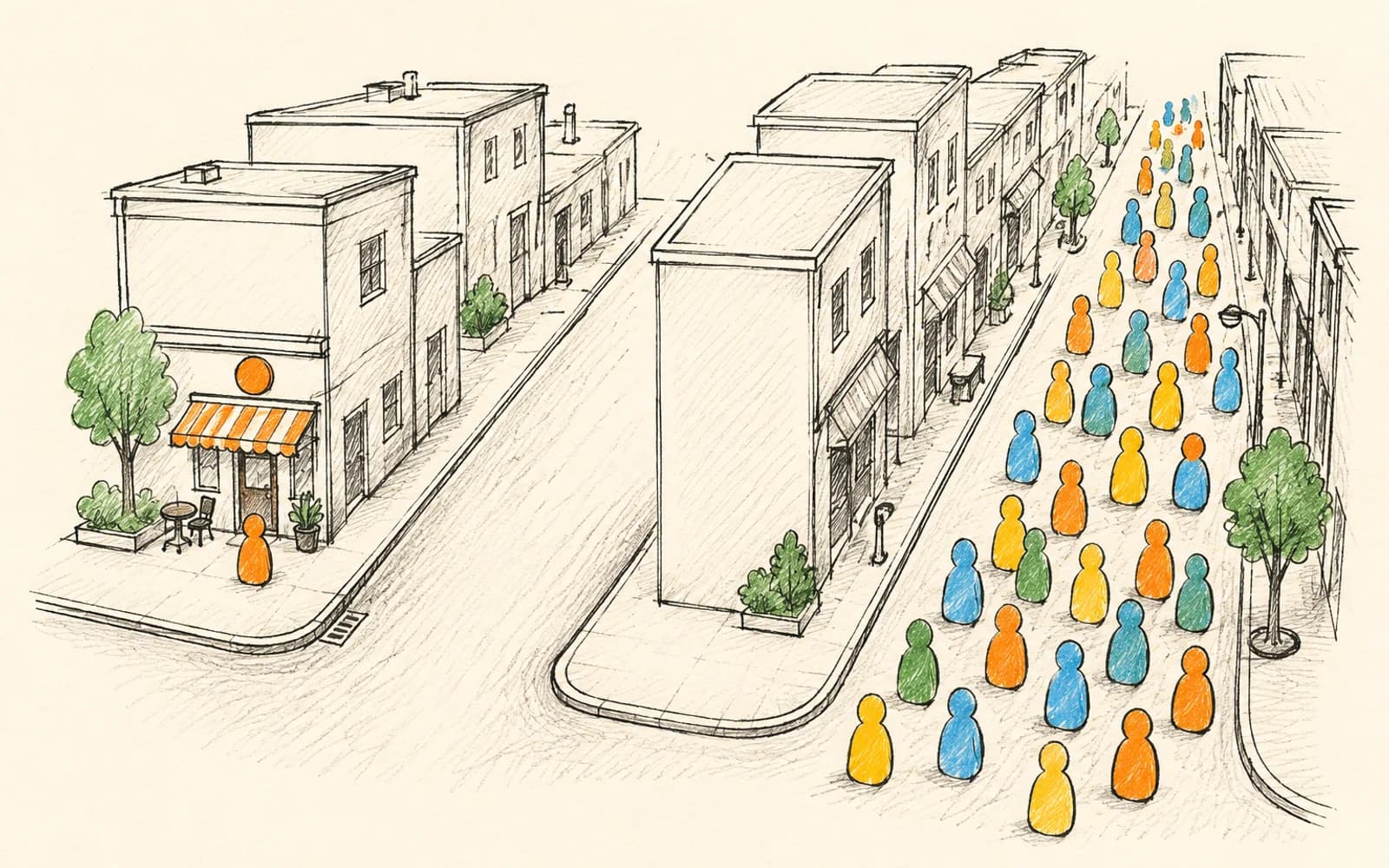
Flyers by the bundle and a listing that bills every month, with no map of what was covered.
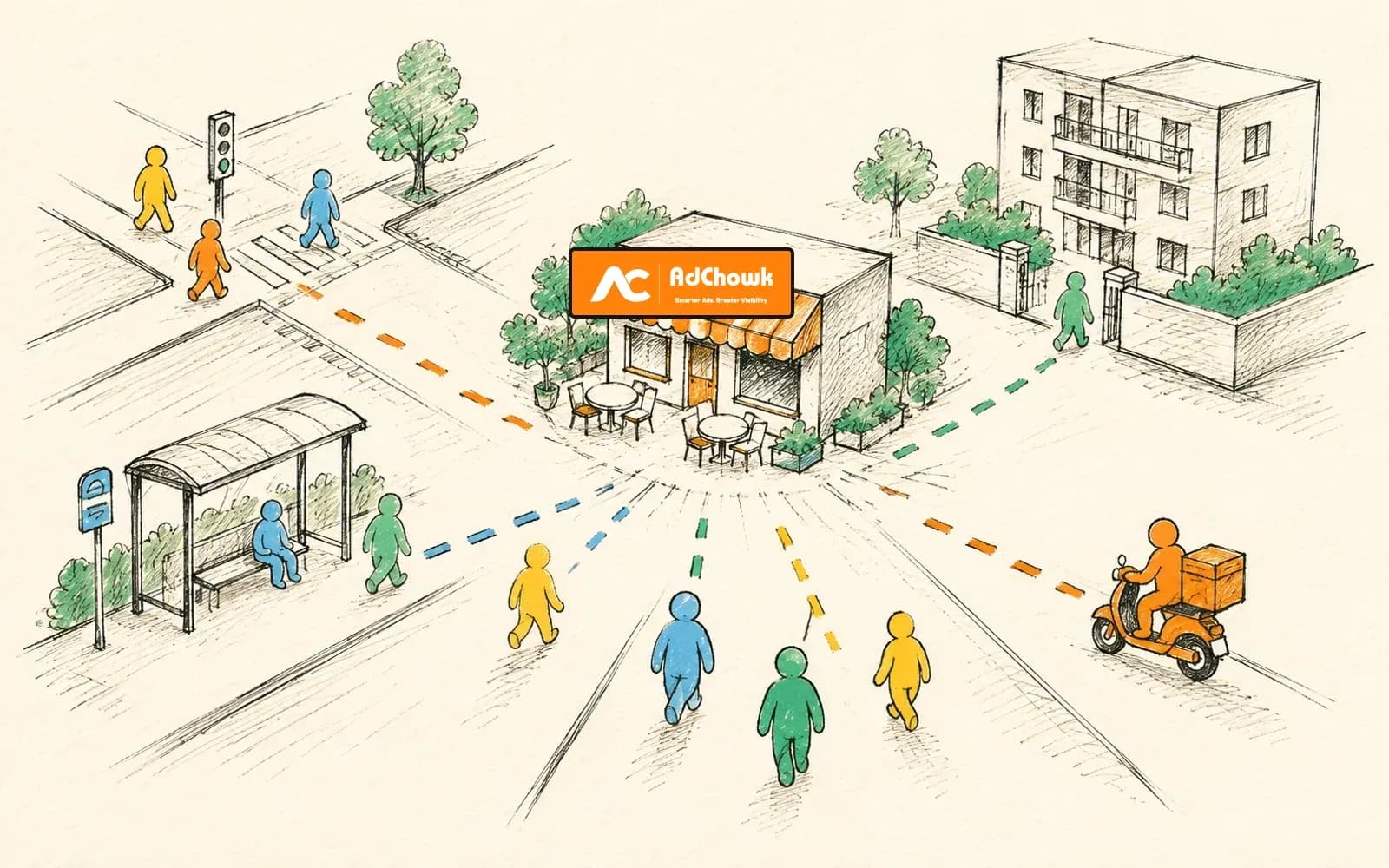
The few streets, societies and offices the outlet actually draws its covers from.
Map the residential clusters, offices and approach roads within the radius the outlet actually draws from, and plan only inside it. A site two localities away costs the same and delivers nothing.
Lift screens, pole kiosks and bus shelters inside the catchment cost a fraction of one arterial hoarding, so the same budget buys repeated exposure to the same households instead of one impression of a wider crowd.
Office corridors and lift screens for weekday lunch, residential lobbies and approach roads for weekend dinner. The same outlet has two different audiences and they are not in the same place.
Every placement comes back as a GPS-tagged, timestamped photograph of the actual site. You are billed on the count that was verified, not the count that was assigned — if a site could not be installed, it comes off the invoice rather than into a summary.
Every format AdChowk sells, from the lowest-cost ones up. Pick the ones that fit your catchment and each is quoted against live availability.
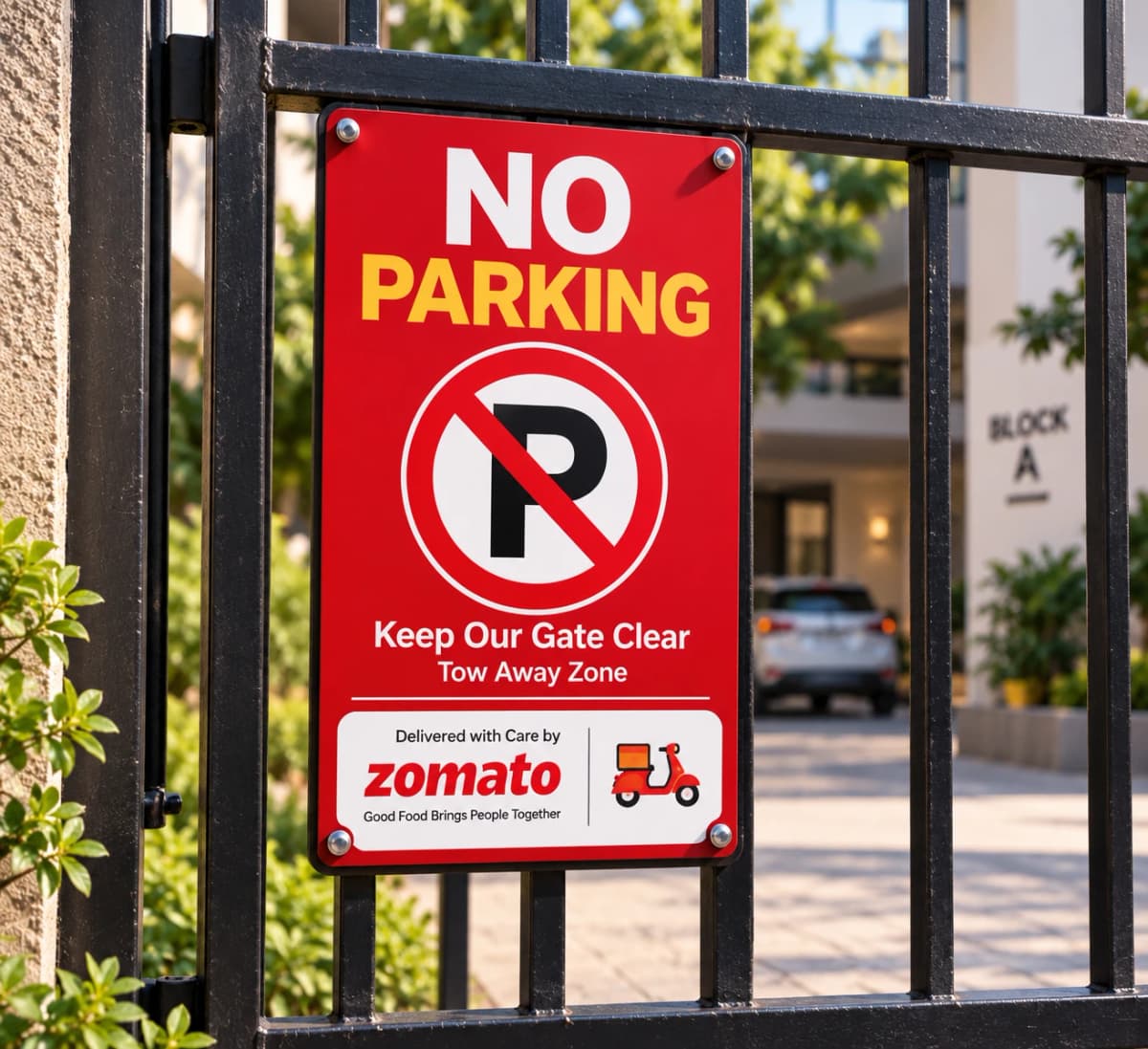
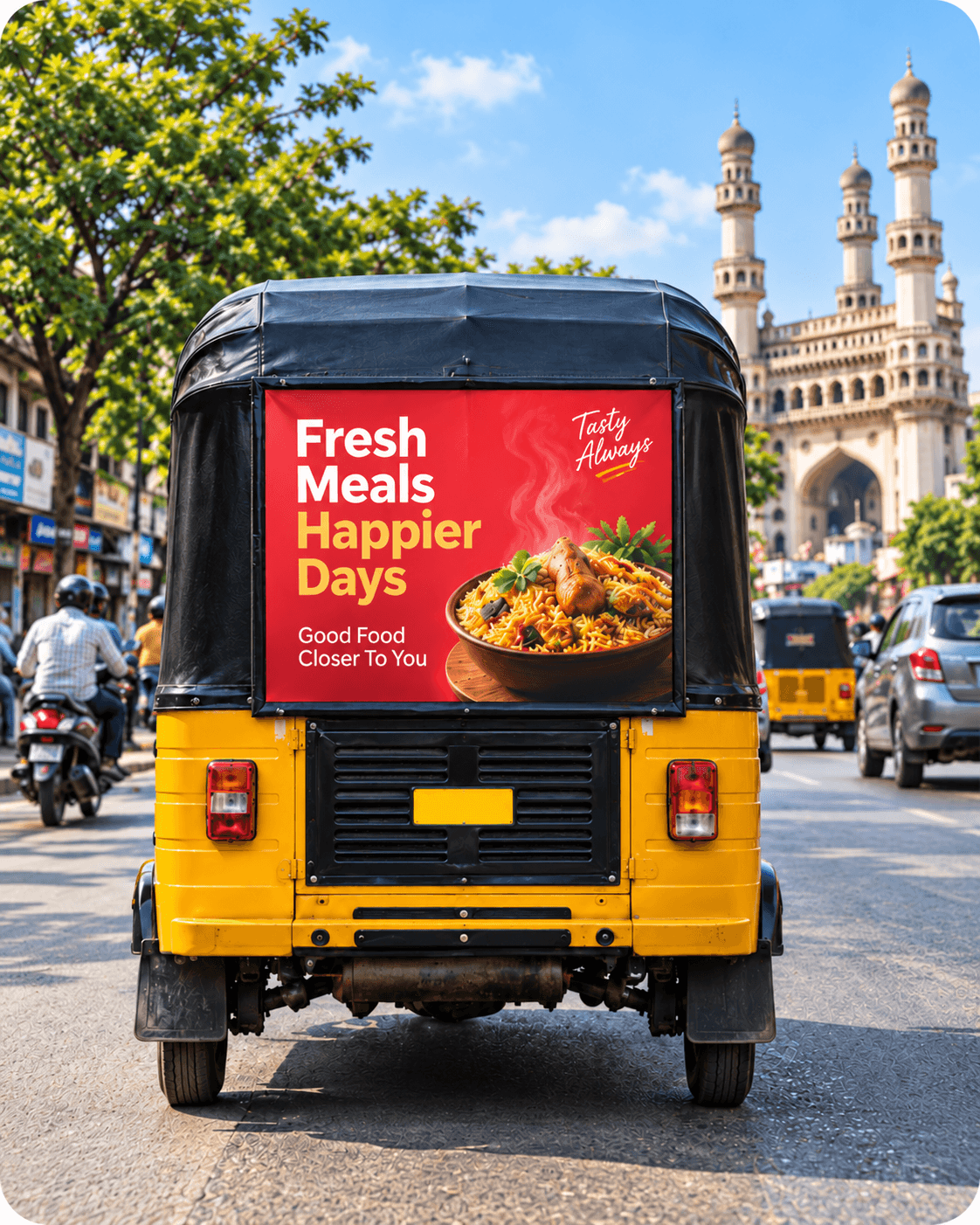
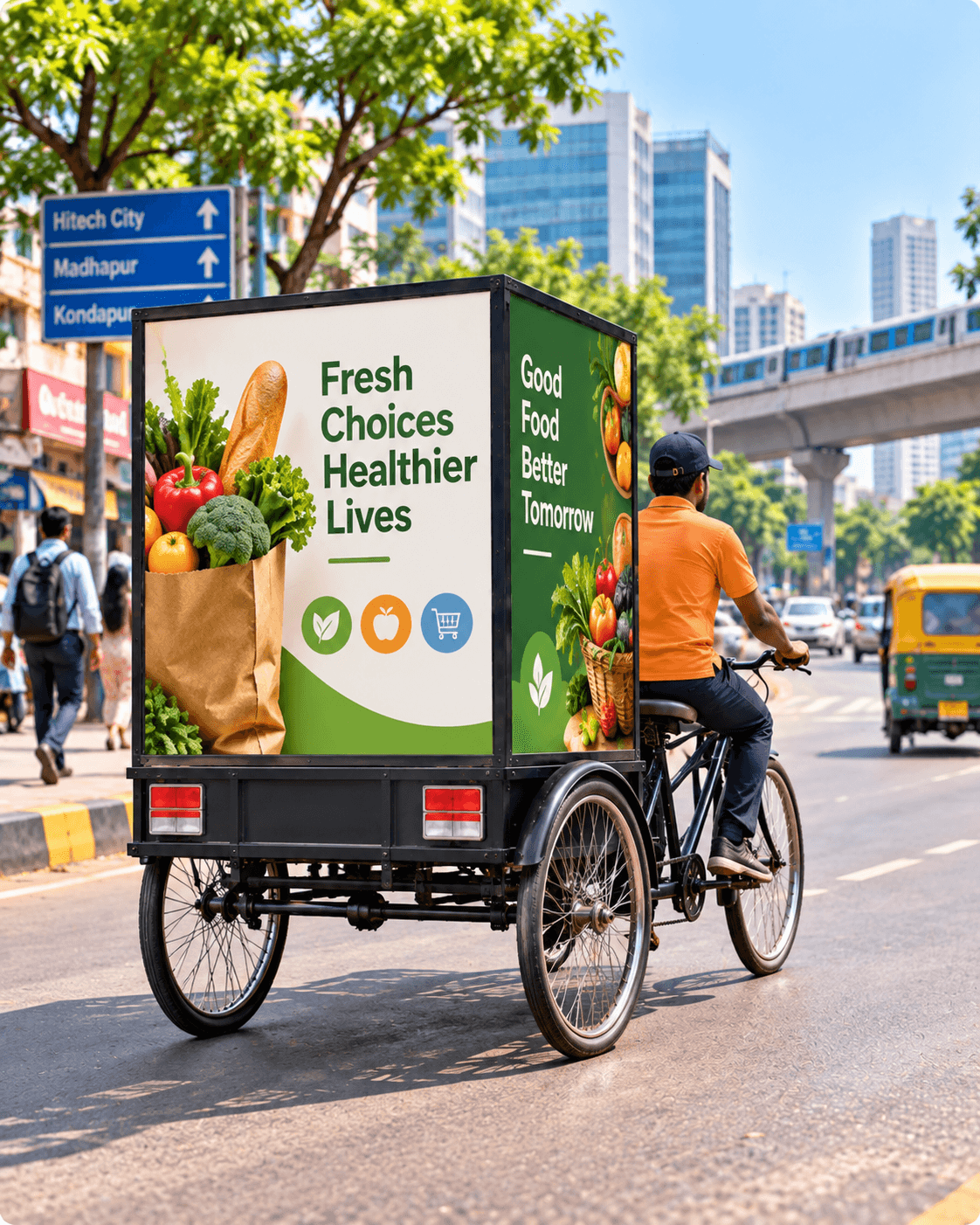
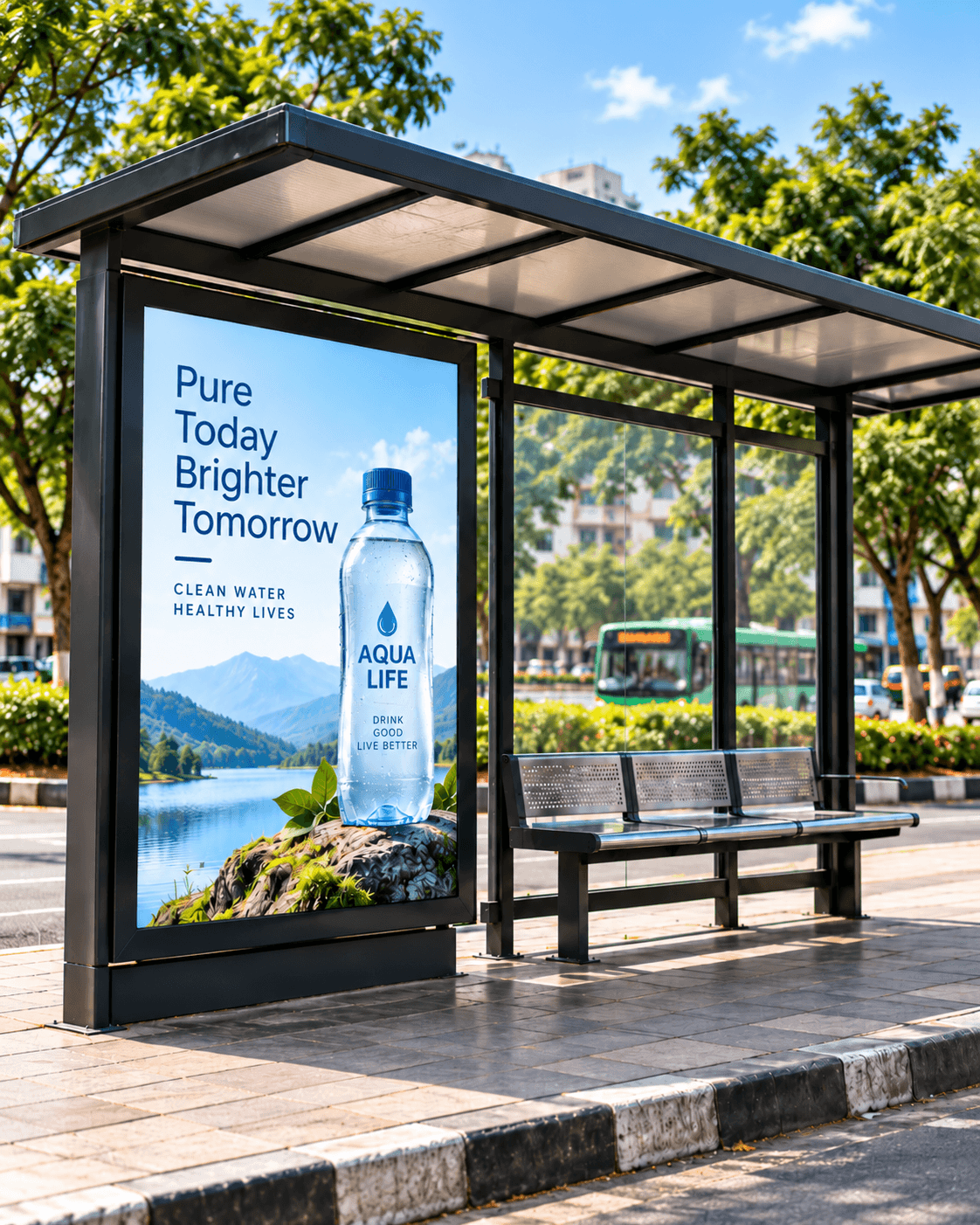

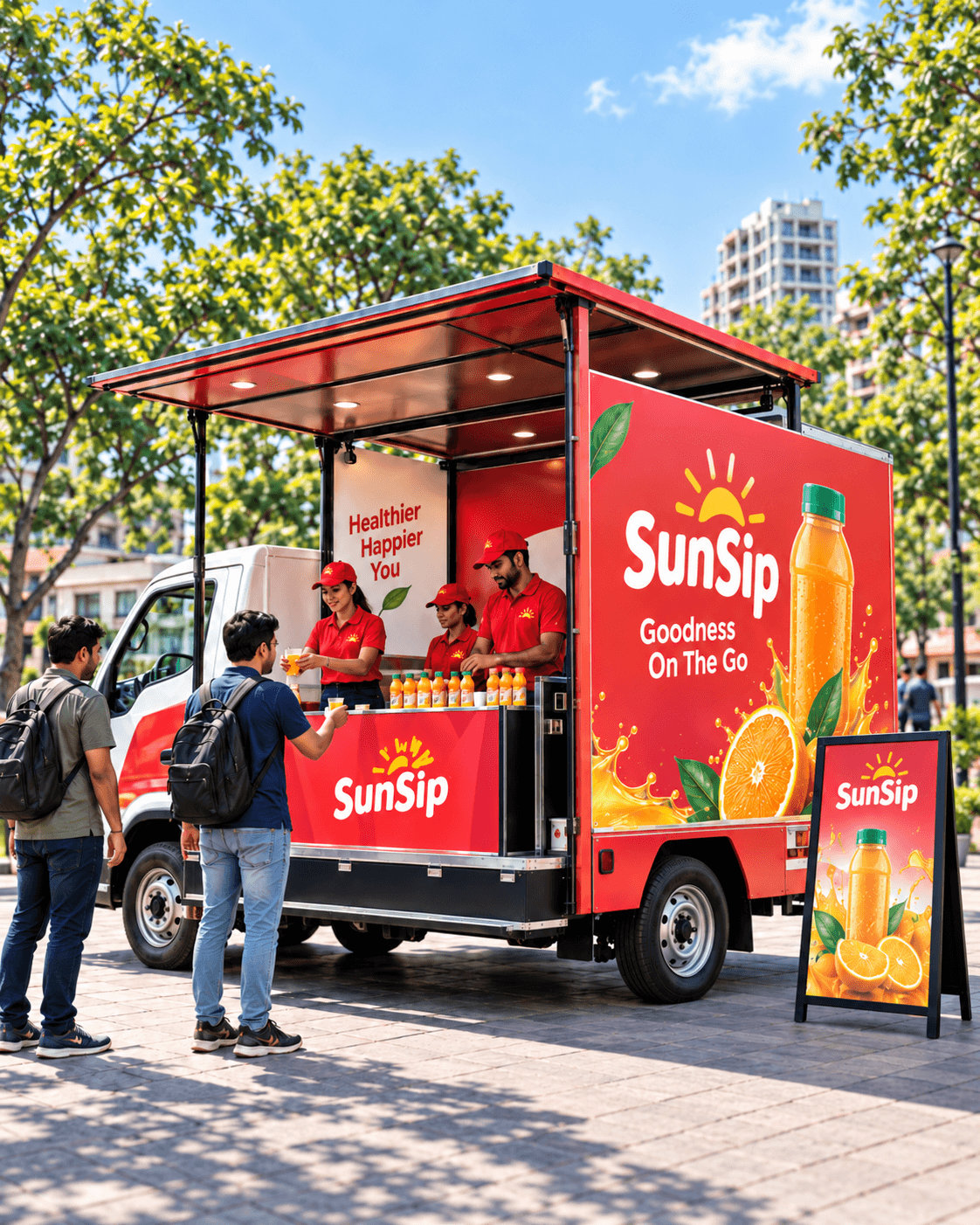
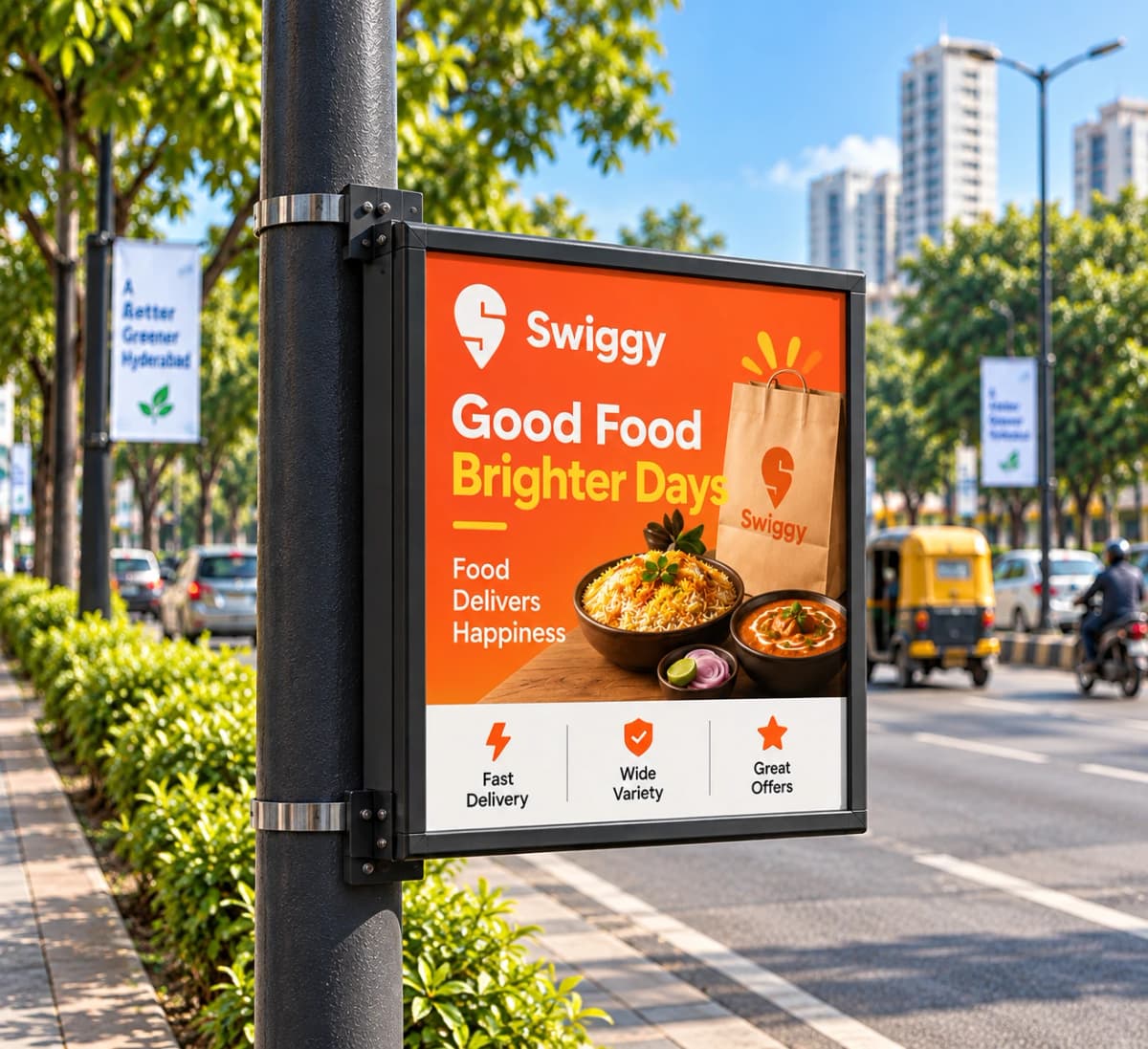

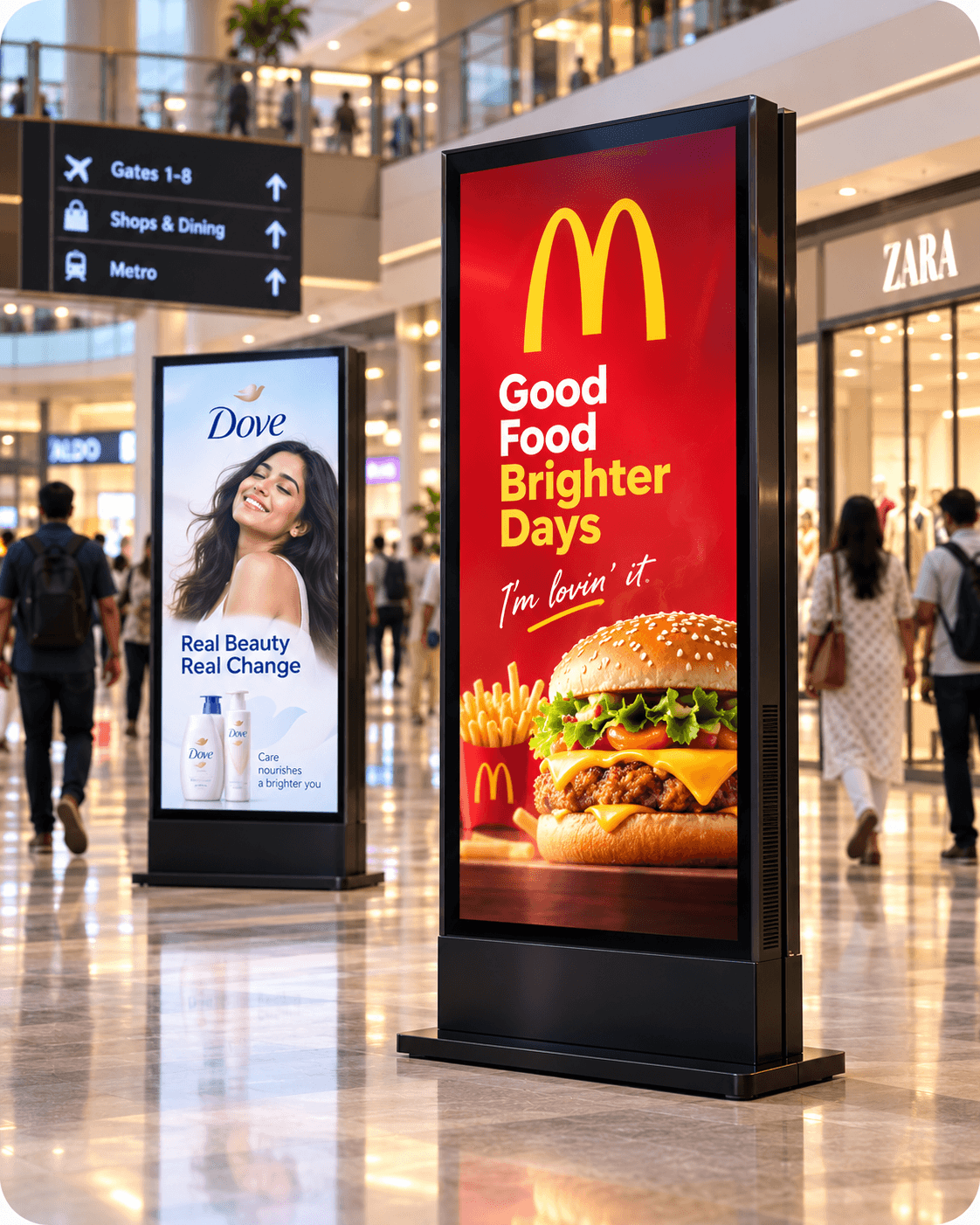



Large-format highway and junction hoardings for high-visibility, long-duration campaigns.
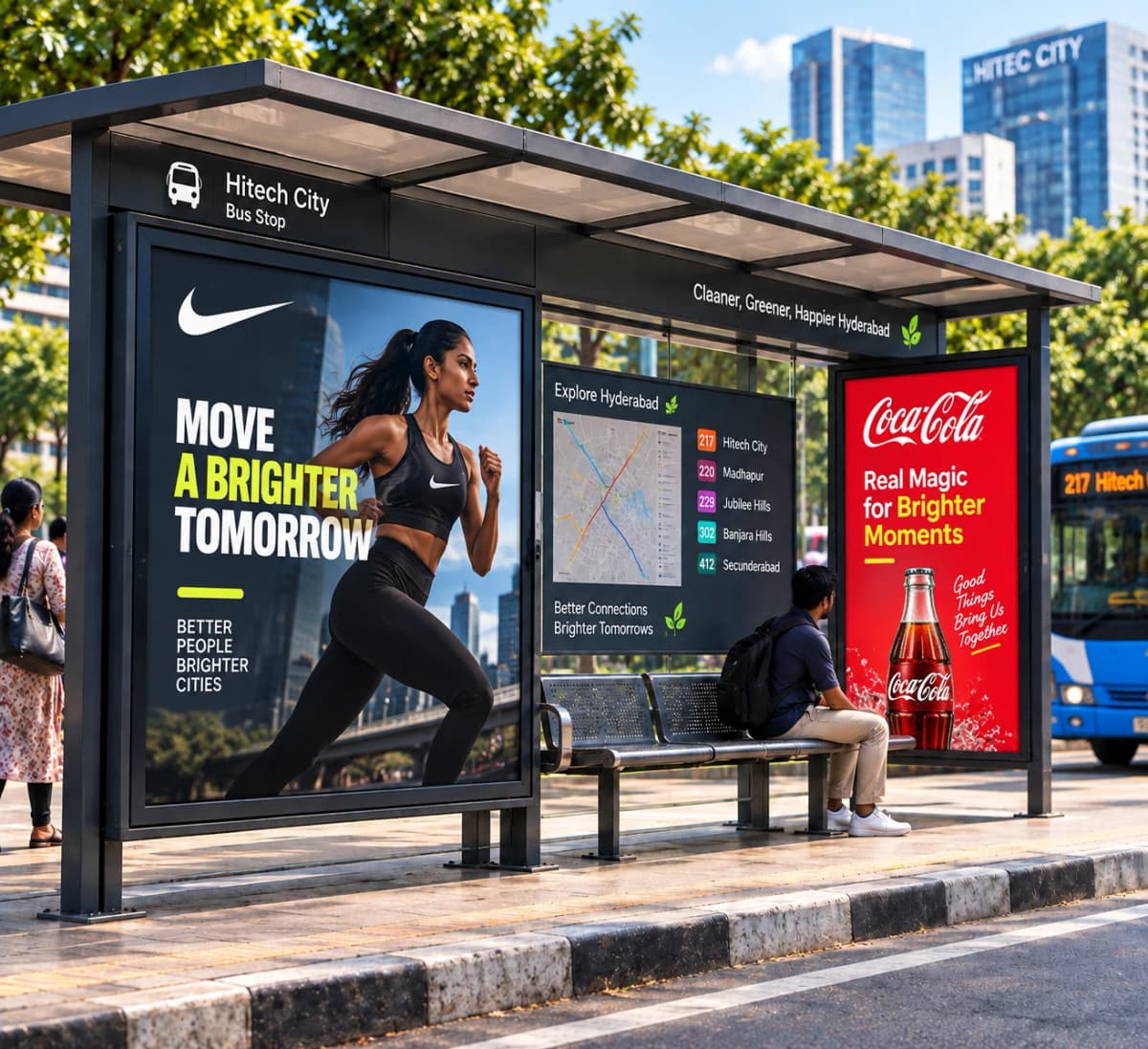
Bus queue shelter panels in high-footfall commuter zones.
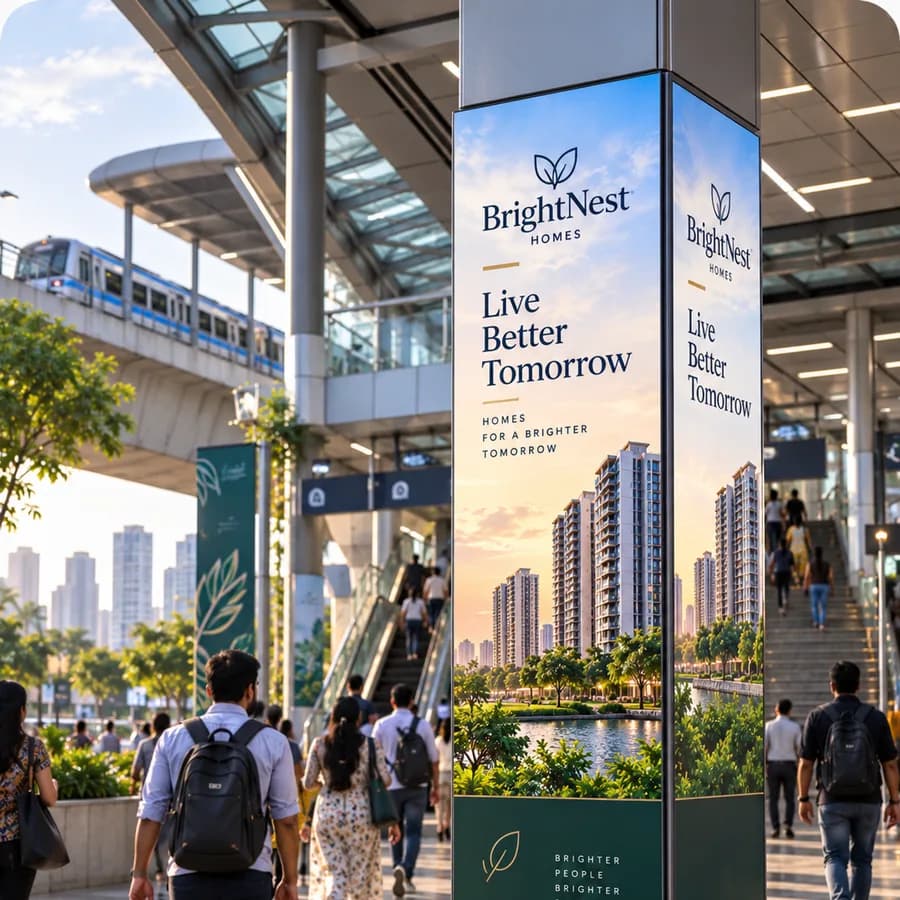
Branding on metro line pillars along high-traffic commuter corridors.
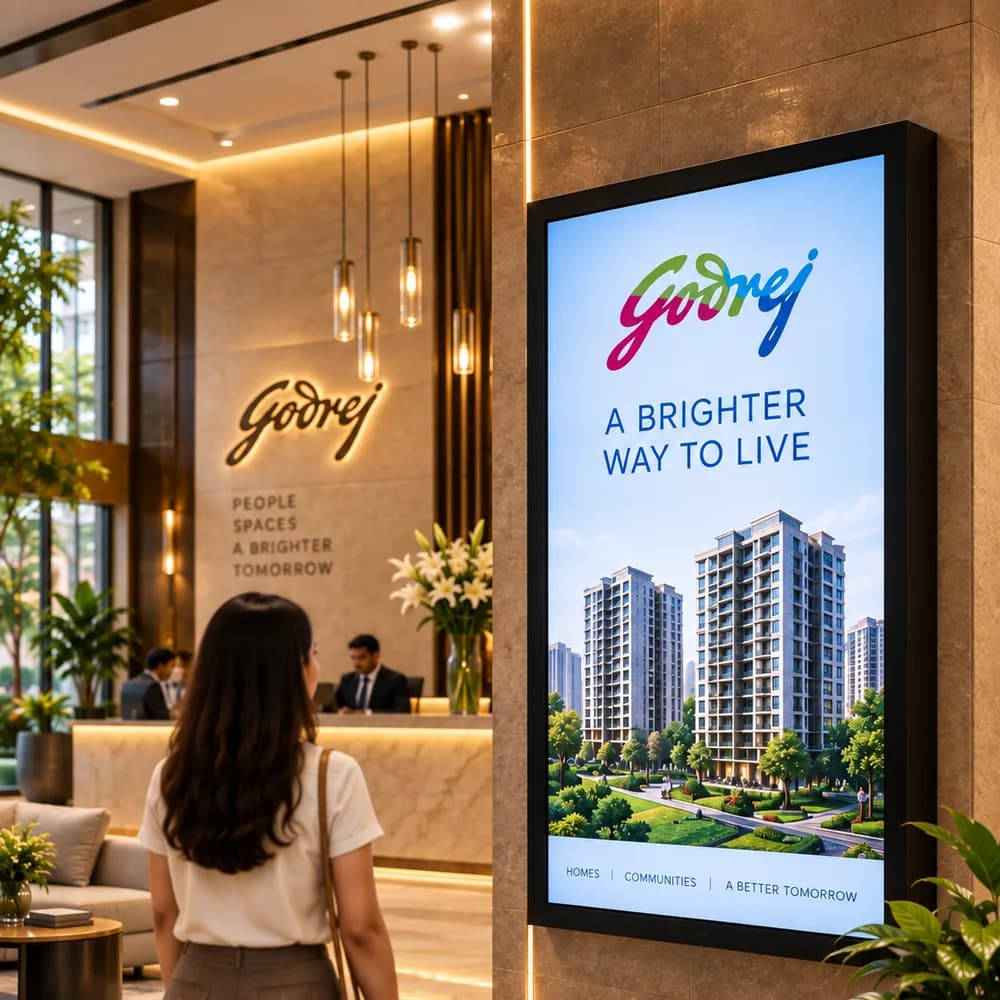
Digital screens inside residential complexes and gated communities.

In-mall branding — entrances, atriums and digital screens in shopping centres.

On-screen and lobby advertising in cinema halls and multiplexes.
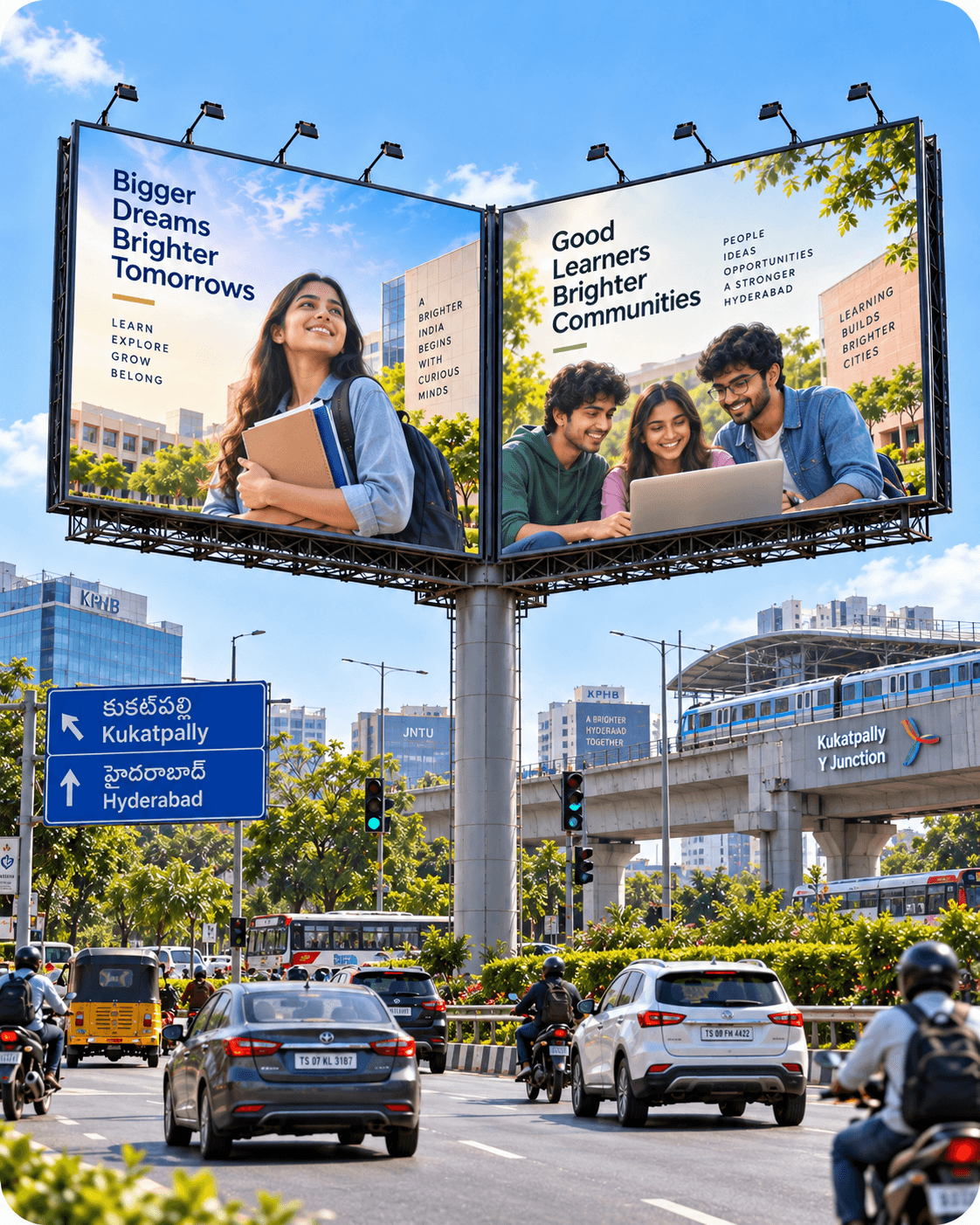
Tall single-pole structures at major junctions and highways, visible from a distance.
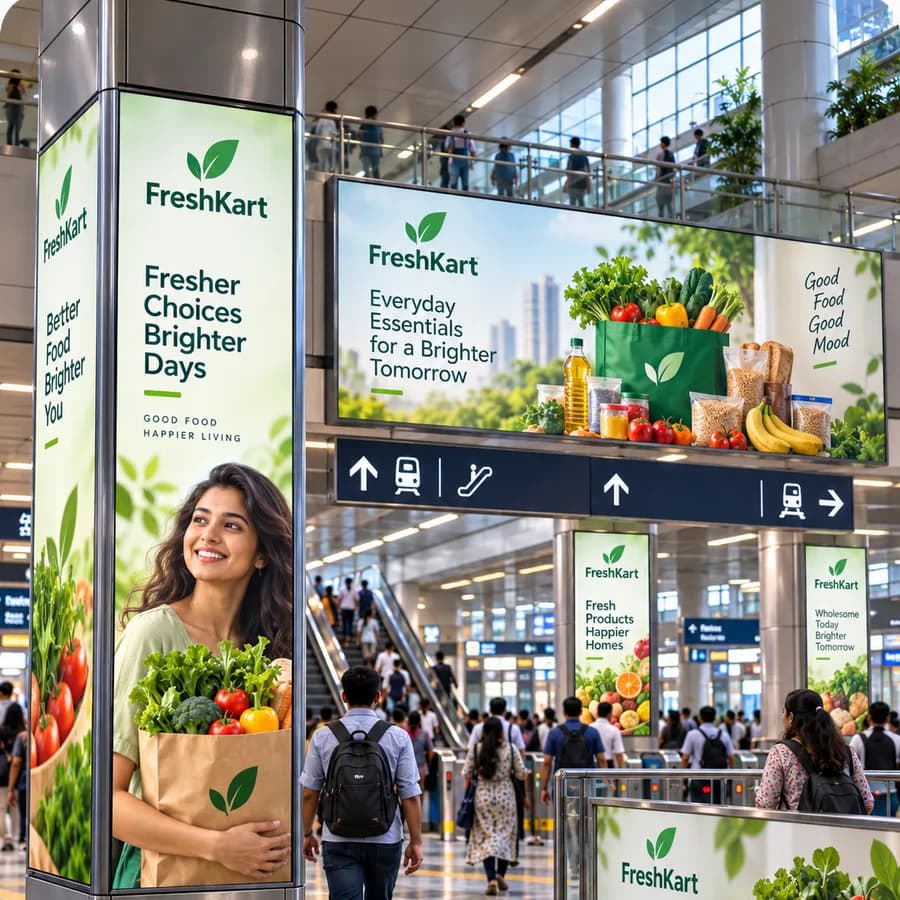
In-station branding at metro stations — concourses, entry gates and platforms.
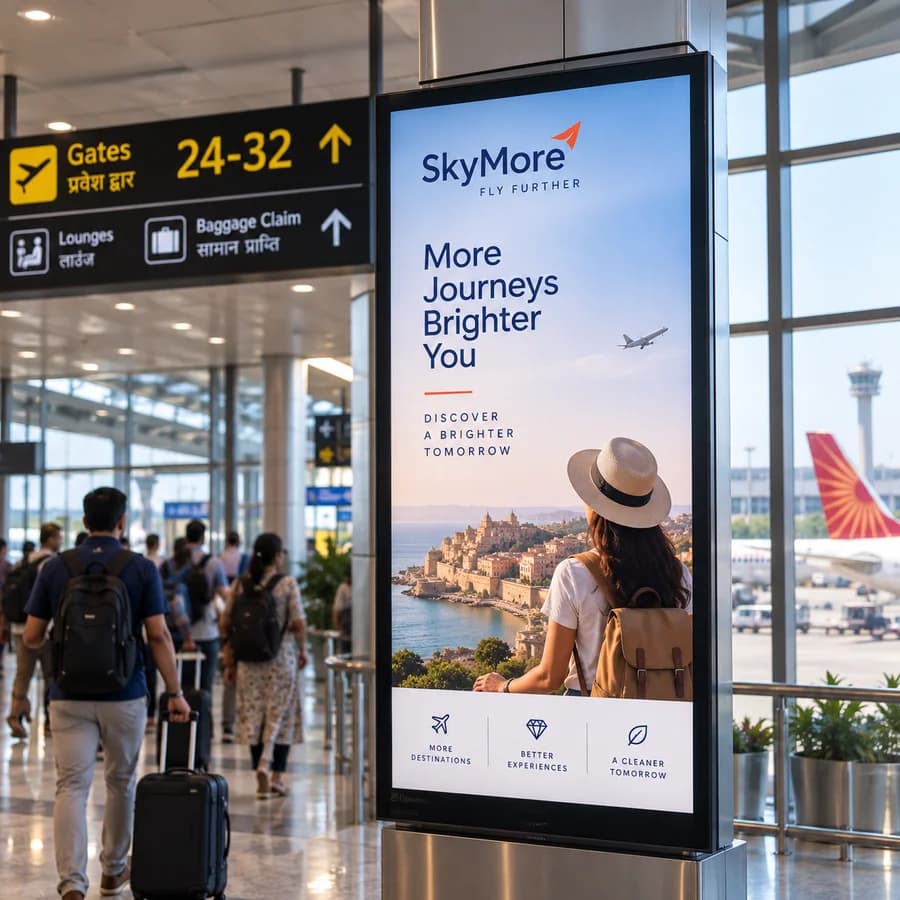
Terminal and concourse branding for premium, high-intent audiences.
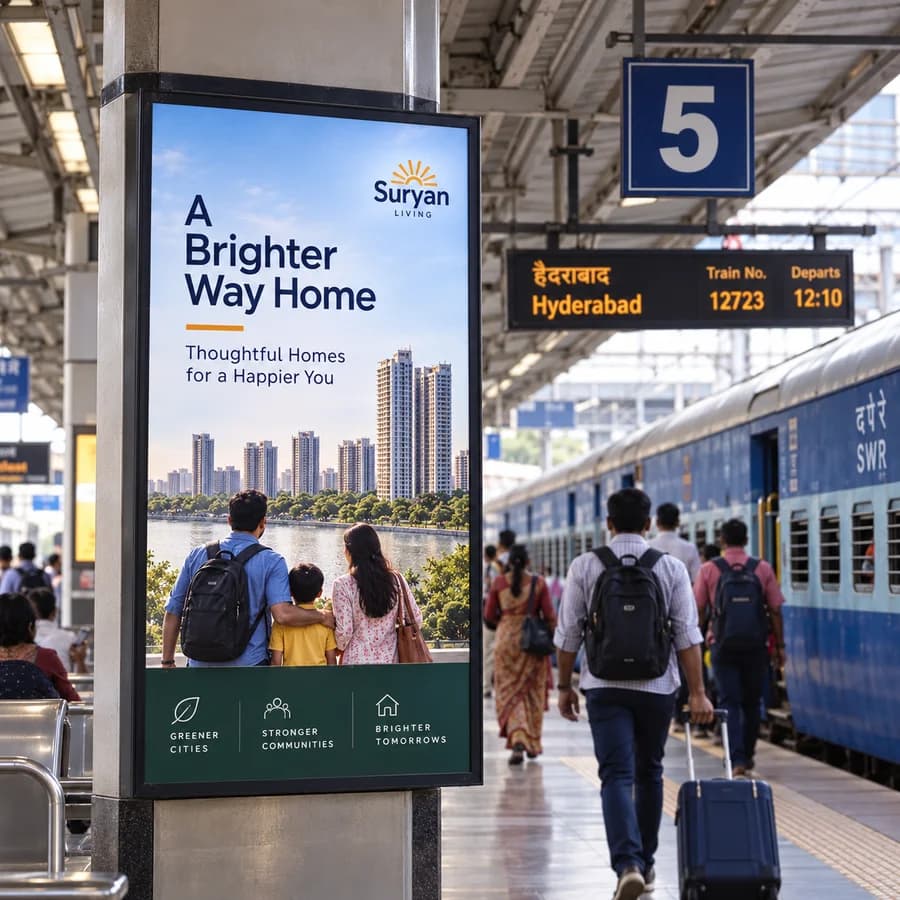
Platform and concourse branding at railway stations.
Why a three-kilometre radius decides most covers, and how a catchment plan is built format by format.
It depends on format, locality and duration. Catchment formats such as lift screens, pole kiosks and no-parking boards cost a fraction of an arterial hoarding, so a small radius can be covered repeatedly for what one landmark site would cost. AdChowk quotes per site against live availability.
They do different jobs. Aggregator visibility reaches people who have already opened the app and are choosing between listings; outdoor advertising in the catchment is what puts the outlet in mind before that. The aggregator cost also recurs every month, while a placement is bought once for its duration.
As small as a single locality. Plans are built locality by locality from mapped inventory, so a new outlet can cover just the streets and societies it draws from rather than paying city-wide rates.
Tell us the catchment, the dates and the budget. We come back with a mix, the real sites behind it, and what each one costs.
No rate card, because the same site is priced differently in season — you get a quote for your own dates.
