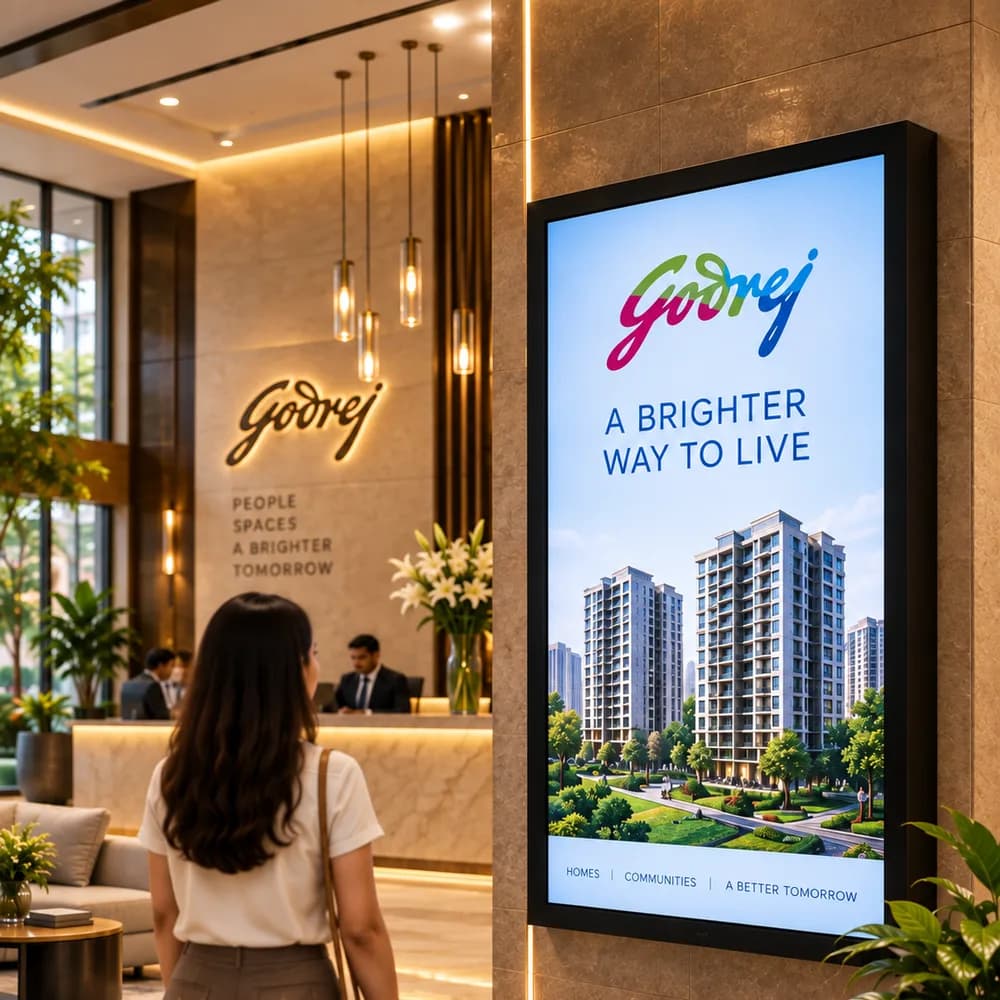
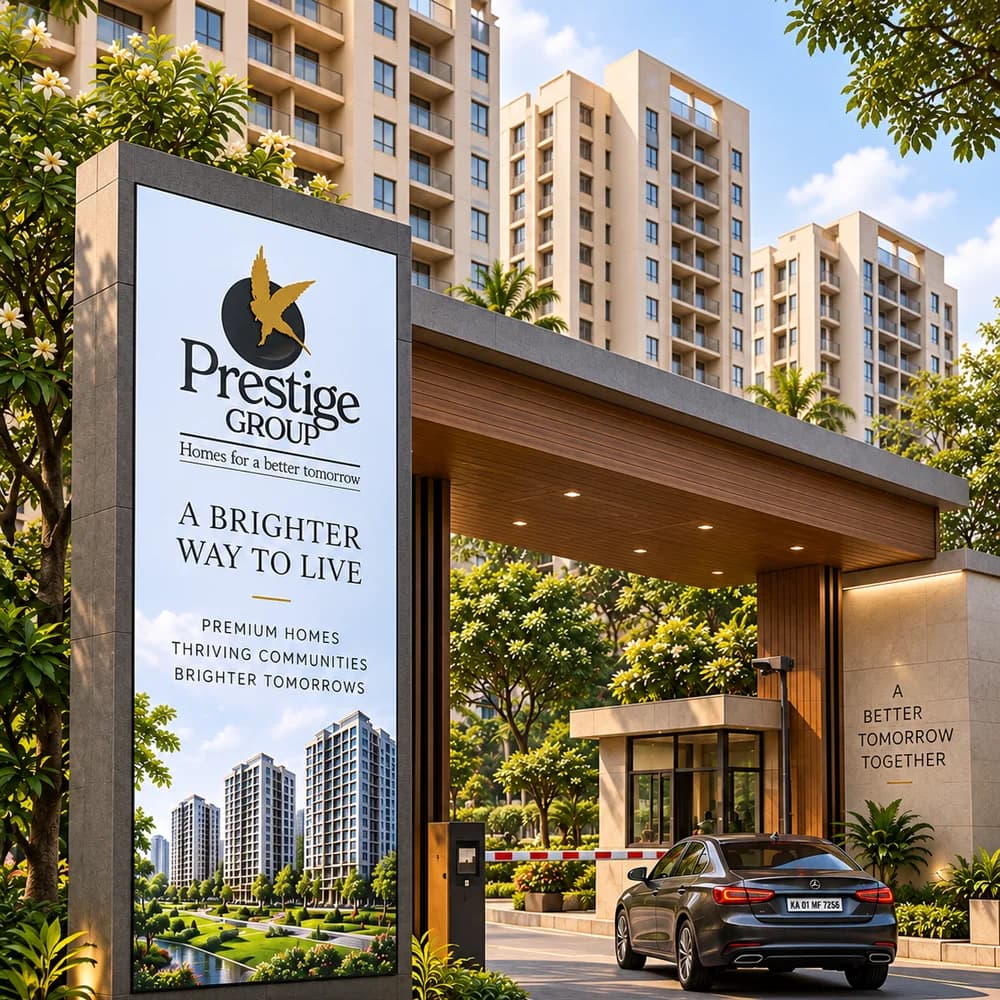
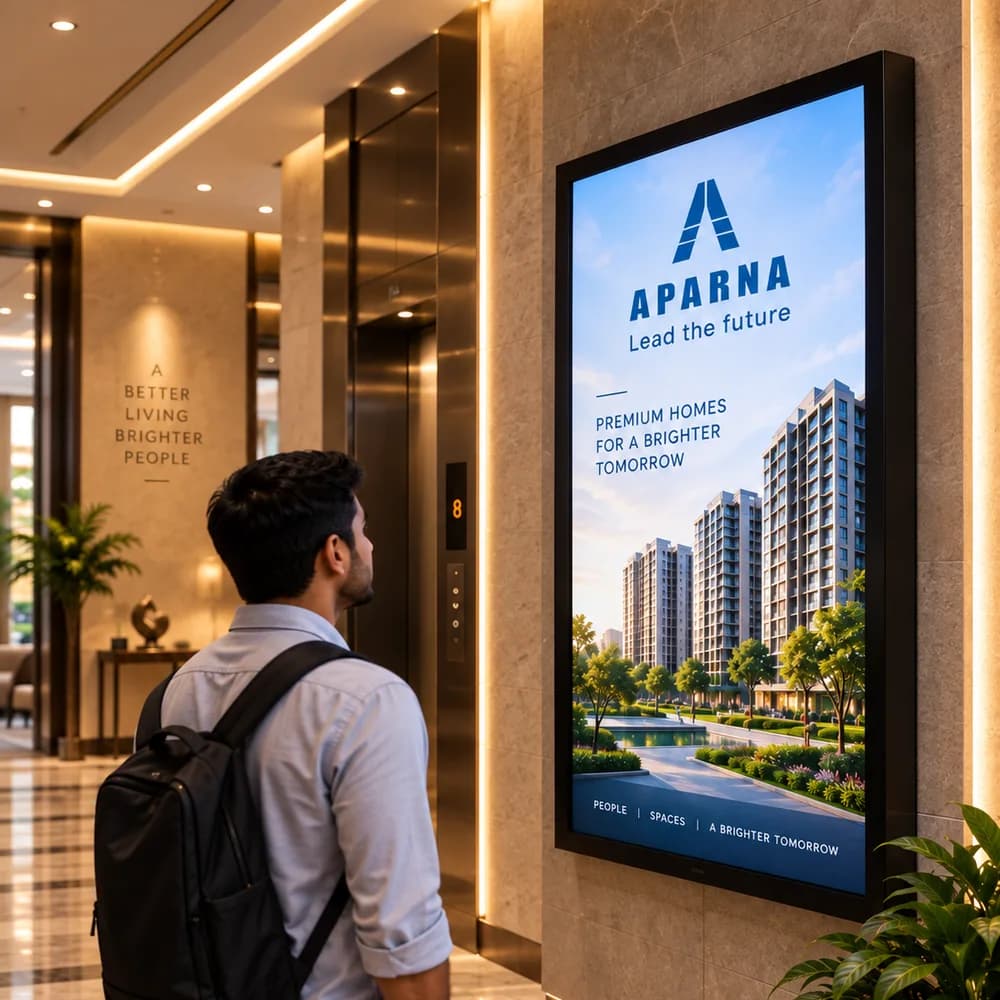
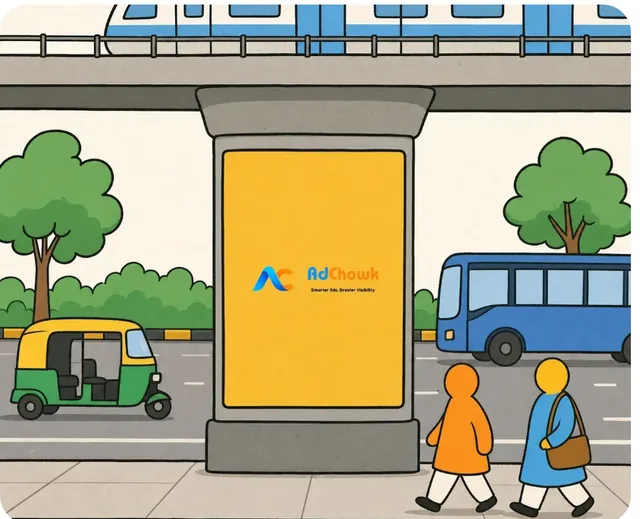
Explore high-visibility metro formats and learn how to choose the right one for commuter campaigns. This guide explains the planning choices that matter before you shortlist locations, approve creative or confirm campaign dates.
Why metro corridors build repeated recall
Metro journeys are habitual. The same commuters pass the same pillars, entries and station zones several times a week, giving a campaign more than a single opportunity to be noticed.
That repetition makes metro media especially useful for launches, local retail, apps, education, real estate and other campaigns that benefit from steady city-level familiarity.
Choose the format around the commuter moment
Different metro formats work at different speeds. Match the creative and message length to how the audience moves through the location.
- Pillar wraps for bold, repeated visibility along approach roads and station corridors.
- Entry and concourse branding for longer viewing time before boarding.
- Platform panels and digital screens for short, high-frequency messages.
- Train exterior panels when the campaign needs movement across a wider route.
Plan for location, duration and proof
Start with the stations and routes that overlap your target catchment, then compare media size, illumination, traffic direction and campaign dates. A smaller format in the right commuter path can outperform a larger site outside the audience’s routine.
Before confirming, make sure the placement can be photographed clearly. AdChowk listings and timestamped proof help teams keep planning and execution connected.
The best metro plan combines repeated route visibility with a format that can be verified clearly after installation.
AdChowk planning note