
Understand the strengths of each format and use them for maximum city visibility. This guide explains the planning choices that matter before you shortlist locations, approve creative or confirm campaign dates.
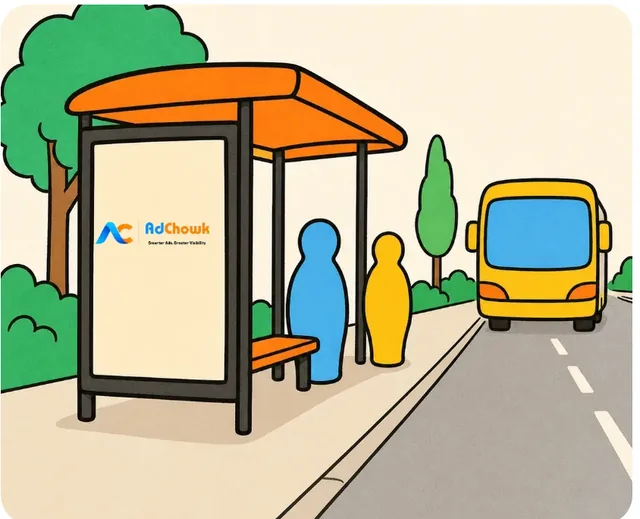
Bus shelters deliver eye-level neighbourhood reach
Shelter panels sit close to pedestrians, waiting commuters and slow traffic. That makes them useful for messages with a little more detail, QR-led actions and campaigns linked to nearby stores or services.
A network of shelters can create repeated presence through selected neighbourhoods without relying on one landmark site.
Hoardings create scale and landmark visibility
A well-positioned hoarding can dominate a junction or road approach, but the message must work from distance and at speed.
- Use a short headline and one unmistakable visual.
- Check traffic direction, viewing distance and obstructions.
- Prefer routes that overlap the campaign’s real catchment.
- Inspect night visibility if the audience travels after dark.
Build a route, not a random list of sites
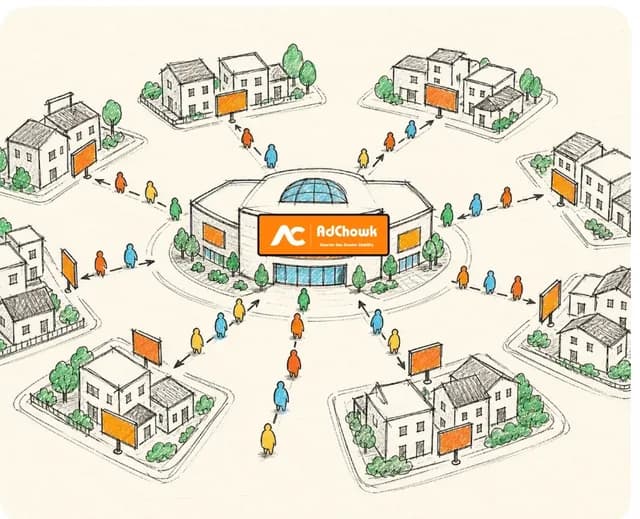
Plot the audience’s likely journey and decide where each format has a role. A large hoarding may introduce the campaign, while shelter panels repeat the offer closer to the destination.
Compare sites on a map, keep creative consistent and collect proof for each placement so the final campaign report reflects what actually ran.
Choose bus shelters for street-level proximity and hoardings for large-format dominance—or combine both along one audience journey.
AdChowk planning note