See how digital outdoor advertising is transforming brand communication with real-time content. This guide explains the planning choices that matter before you shortlist locations, approve creative or confirm campaign dates.
Outdoor media is becoming more responsive
Digital screens let advertisers update creative without reprinting, run several messages and adapt content to time, location or campaign phase. This makes city media easier to coordinate with retail, social and launch activity.
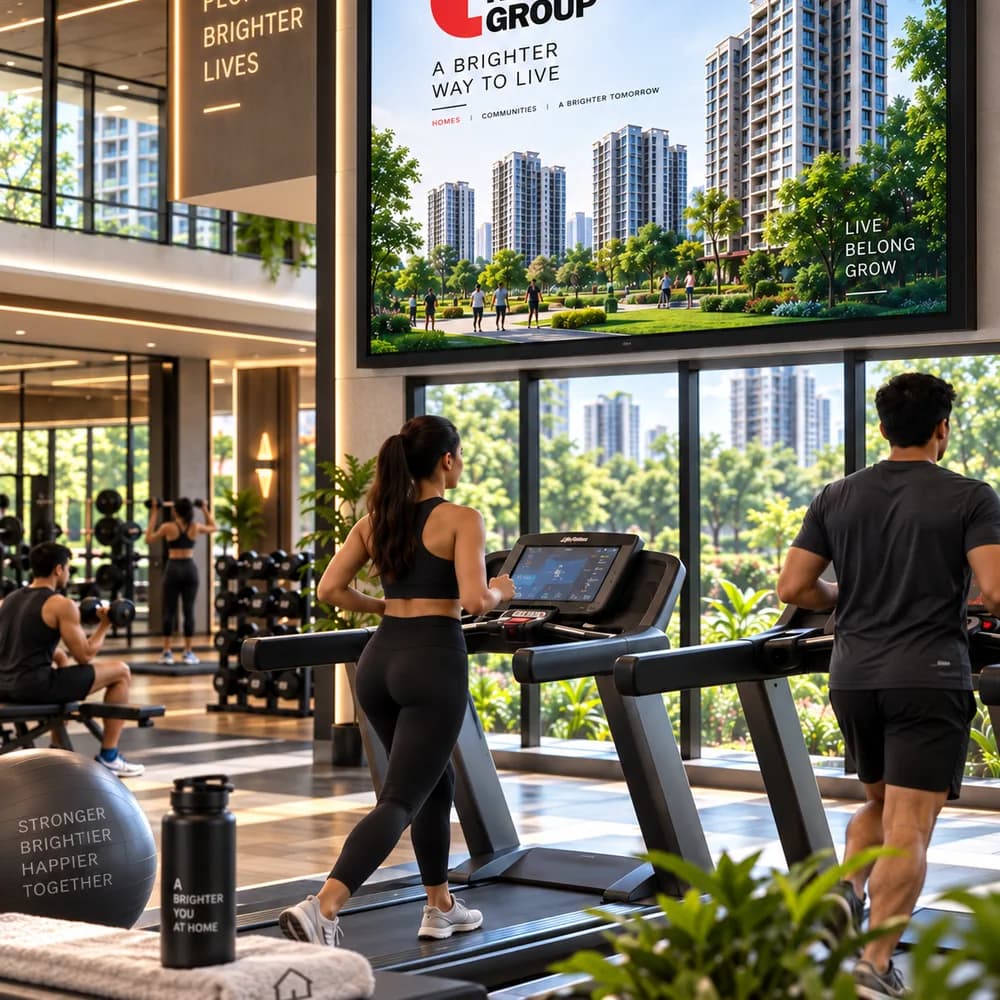
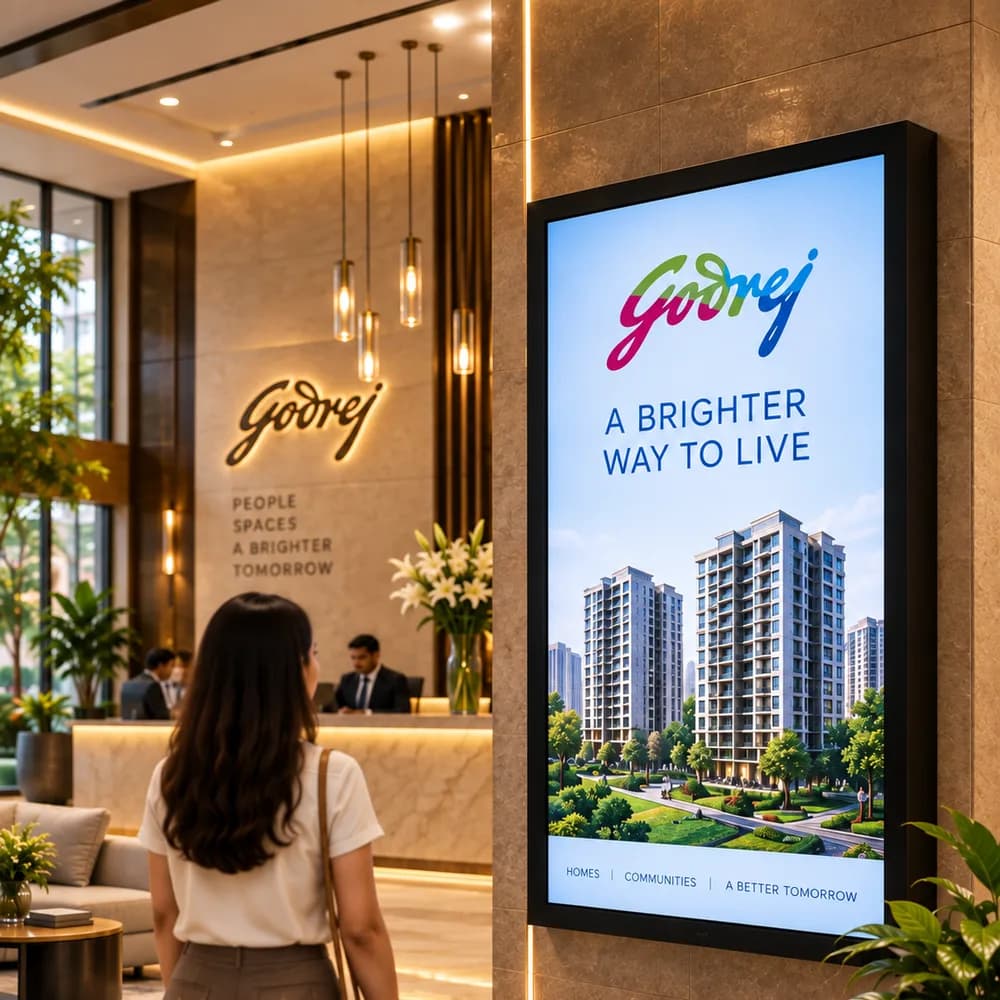
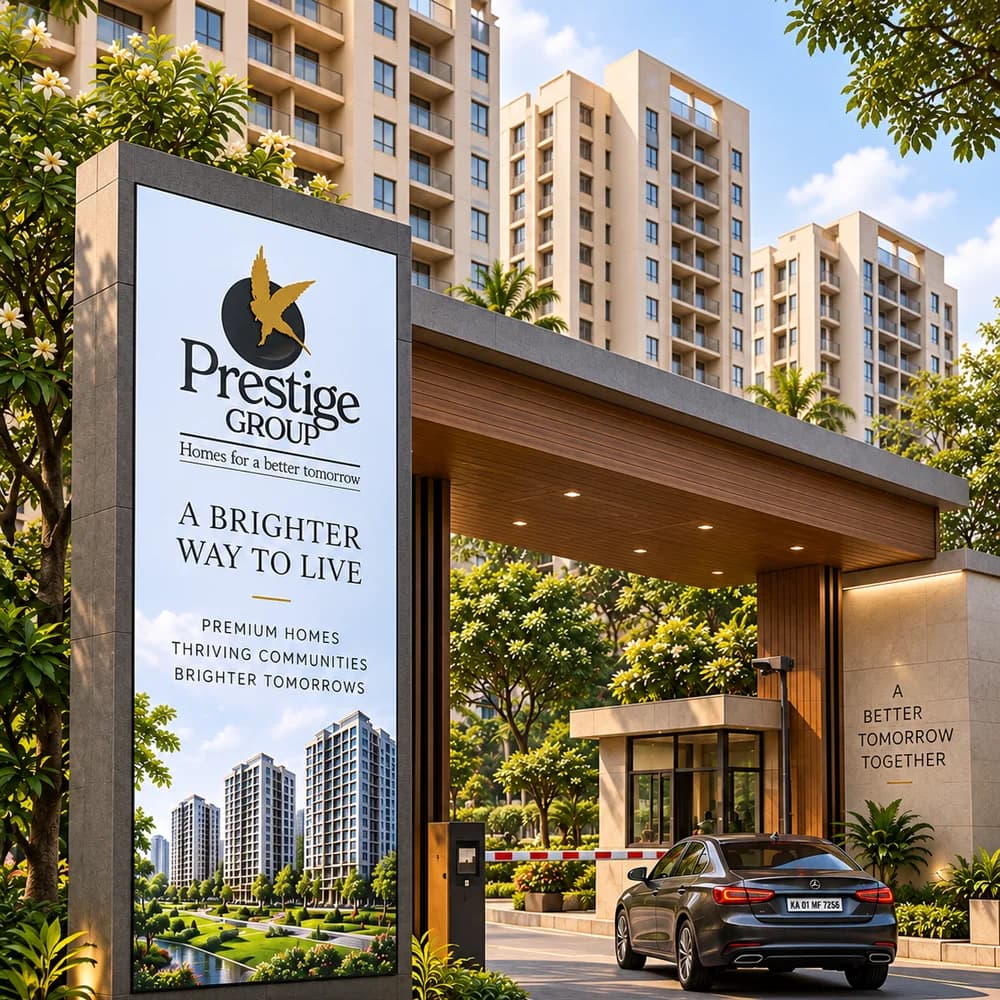
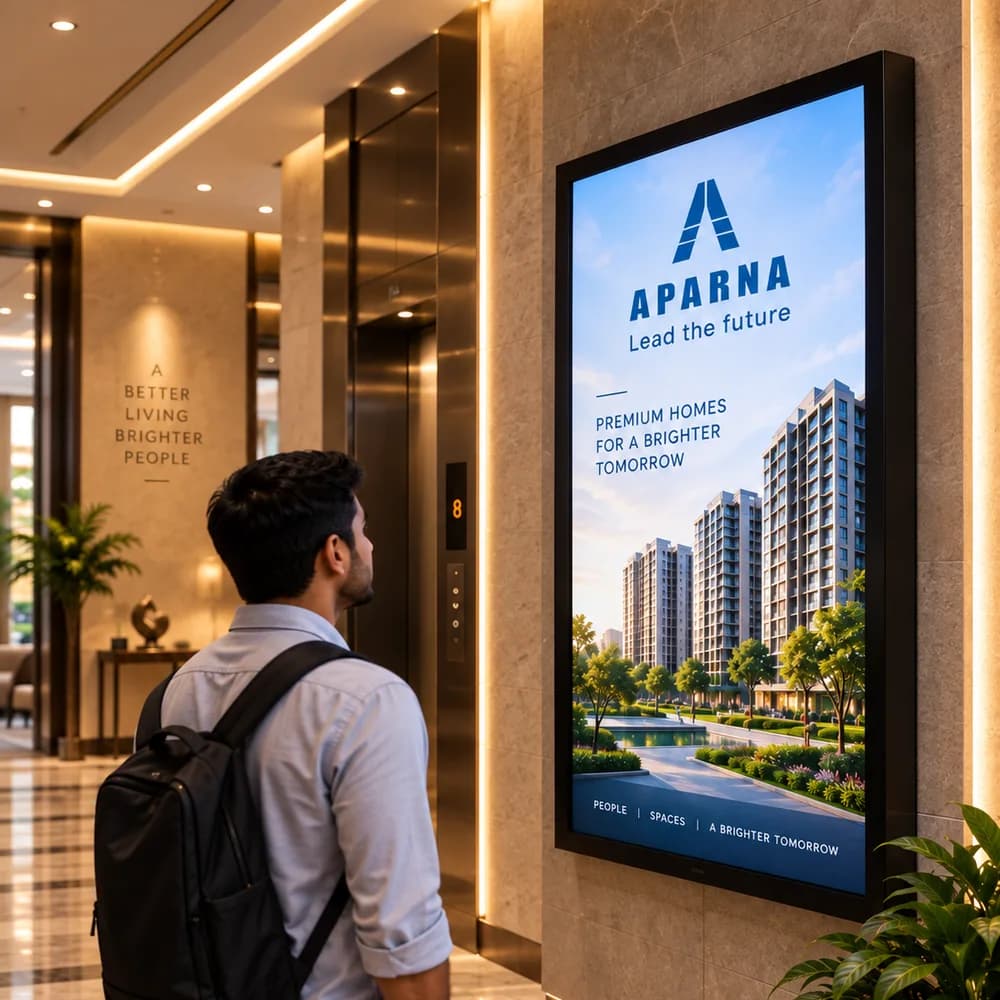
The change is visible across malls, offices, residential buildings, transit environments and roadside networks—not only on large landmark billboards.
What to inspect before booking a screen
A screen is not automatically valuable because it is digital. Ask for the operating details that define real exposure.
- Daily operating hours and screen brightness in real conditions.
- Spot duration, total loop length and estimated plays per day.
- Viewing angle, distance, dwell time and surrounding clutter.
- How playback proof and on-site verification will be supplied.
Use flexibility with a clear purpose
Change messages when context improves relevance: meal offers by time of day, event countdowns, location-specific directions or sequential launch creative. Avoid rotating variations simply because the technology allows it.
Build a version plan before launch and name every file clearly so the correct creative reaches the correct screen and schedule.
DOOH creates value through flexibility and context, but only when screen quality, loop share and proof are evaluated with the same care as location.
AdChowk planning note